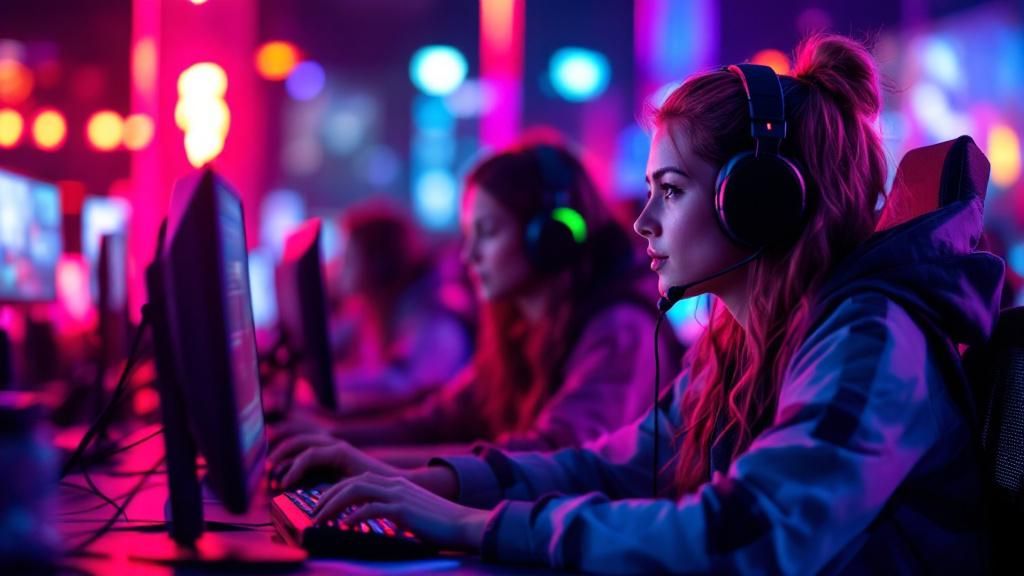
The esports landscape is experiencing a substantial shift as female esports players increasingly demand equal representation in competitive circuits worldwide. Despite comprising nearly half of all gamers, women remain vastly sidelined in elite competitions and commercial partnerships. This article investigates the community-driven movement driving transformation, exploring how female players are confronting systemic barriers, advocating for equitable frameworks, and reshaping the future of esports through sustained advocacy and exceptional talent.
The Existing Landscape Of Women In Esports
Women have made substantial advancement in the esports industry during the last ten years, yet significant disparities remain in elite competitive esports. Whilst women players constitute roughly 45% of the global gaming population, their representation in top-tier esports competitions remains disproportionately low. Major leagues continue to feature largely male-dominated rosters, and sponsorship opportunities for female players lag considerably behind their male counterparts. This underrepresentation extends beyond player participation, impacting commentary roles, coaching positions, and decision-making positions within esports organisations.
The financial landscape also reveals the gender gap within competitive esports. Prize pools for women-only tournaments typically pale in comparison relative to mixed or male-dominated competitions, creating limited incentives for aspiring female professionals. Additionally, female players regularly face cultural barriers, encompassing harassment and discrimination within gaming communities. Despite these challenges, a expanding wave of determined female competitors continues to push boundaries, demonstrating exceptional skill and dedication. Their advocacy efforts are increasingly catalysing conversations about systemic change, prompting leagues and organisations to evaluate their inclusivity policies and pledge to building a more equitable competitive gaming environment.
Challenges In Accessing And Taking Part
Female esports players experience numerous barriers when seeking to build themselves in competitive play. Beyond performance-related obstacles, structural impediments including insufficient funding, poor visibility in talent acquisition channels, and systemic exclusion generate considerable barriers. These structural impediments disproportionately affect women’s progression through entry-level competition towards professional opportunities, whilst their male competitors gain advantage from existing connections and higher prominence within the sector.
Sponsorship and Funding Obstacles
Securing sponsorship remains considerably harder for female esports athletes versus their male counterparts. Brands often show hesitation to invest in women’s gaming content, citing lower audience metrics and questionable market potential. This establishes a vicious cycle whereby reduced funding restricts promotional opportunities, in turn restricting audience growth and further deterring potential sponsors from backing female-led initiatives or all-women teams.
Tournament operators frequently allocate considerably reduced purse amounts for female tournaments, reinforcing funding gaps throughout the industry. This resource gap extends beyond prize purses to encompass training resources, gear sponsorships, and travel allowances. Therefore, female players often juggle extra work whilst developing their competitive careers, leaving them in a marked disadvantage against fully-funded male players.
Toxicity And Work Environment
The esports sector frequently exhibits pervasive toxicity, with female players experiencing harassment, discrimination, and gender-based abuse across both online and in gaming venues. This toxic climate discourages participation and contributes to burnout amongst skilled competitors. Many women report experiencing direct harassment from fellow competitors, spectators, and online communities, creating an uninviting professional space that weakens their confidence and long-term participation.
Workplace culture within esports organisations often falls short of adequate safeguarding policies and accountability mechanisms. Women working in esports commonly experience bias during recruitment, wage gap problems, and restricted career progression. Without robust support structures and transparent grievance procedures, organisations do not establish inclusive environments where women experience recognition, dignity, and agency to pursue sustained careers in competitive gaming.
Schemes And Promotion Initiatives
Female esports players have created multiple groups and networks dedicated to improving female inclusion within competitive gaming. These grassroots movements have managed to convince major esports franchises and event organisers to introduce inclusion benchmarks and equitable recruitment standards. Notable initiatives include coaching initiatives that nurture emerging talent, training sessions addressing gender-based discrimination, and joint projects with sector partners. Through persistent advocacy, these organisations have secured commitments from top-tier organisations to expand female representation and build supportive competitive communities for all participants.
Social media campaigns and community engagement programmes have elevated the voices of women competitors, generating substantial momentum for systemic change. Players use platforms to recount personal experiences, showcase achievements, and contest outdated perceptions about women in gaming. High-profile tournaments now include dedicated female divisions and women-only teams competing alongside standard male-dominated brackets. These visibility efforts have motivated younger generations whilst also pressuring sponsors and broadcasters to support women-focused content and events, substantially reshaping esports’ commercial environment.
Cooperation between players, organisations, and industry leaders has delivered tangible regulatory changes and organisational pledges. Many leagues have implemented anti-harassment protocols, established diversity committees, and committed increased prize pools for female-focused events. Learning programmes encourage inclusion across grassroots organisations, encouraging schools and community groups to include female participants. These multifaceted advocacy efforts demonstrate that substantive advancement requires sustained commitment, strategic partnerships, and unwavering determination from all stakeholders committed to establishing a truly inclusive esports environment.
